

Best of the Byrds
One group that really helped define the West Coast sound had a pretty rocky journey, but they made some real gems along the way. The Byrds often felt less like one solid band and more like a collection of great writers, musicians, and big personalities who were probably always destined to go their separate ways, while Roger McGuinn tried to keep everything together. They broke through right at the start of the folk rock boom, mixing Bob Dylan-style songwriting with that jangly 12-string guitar sound, and quickly became one of the biggest bands in the world with “Mr. Tambourine Man” and “Turn! Turn! Turn!”
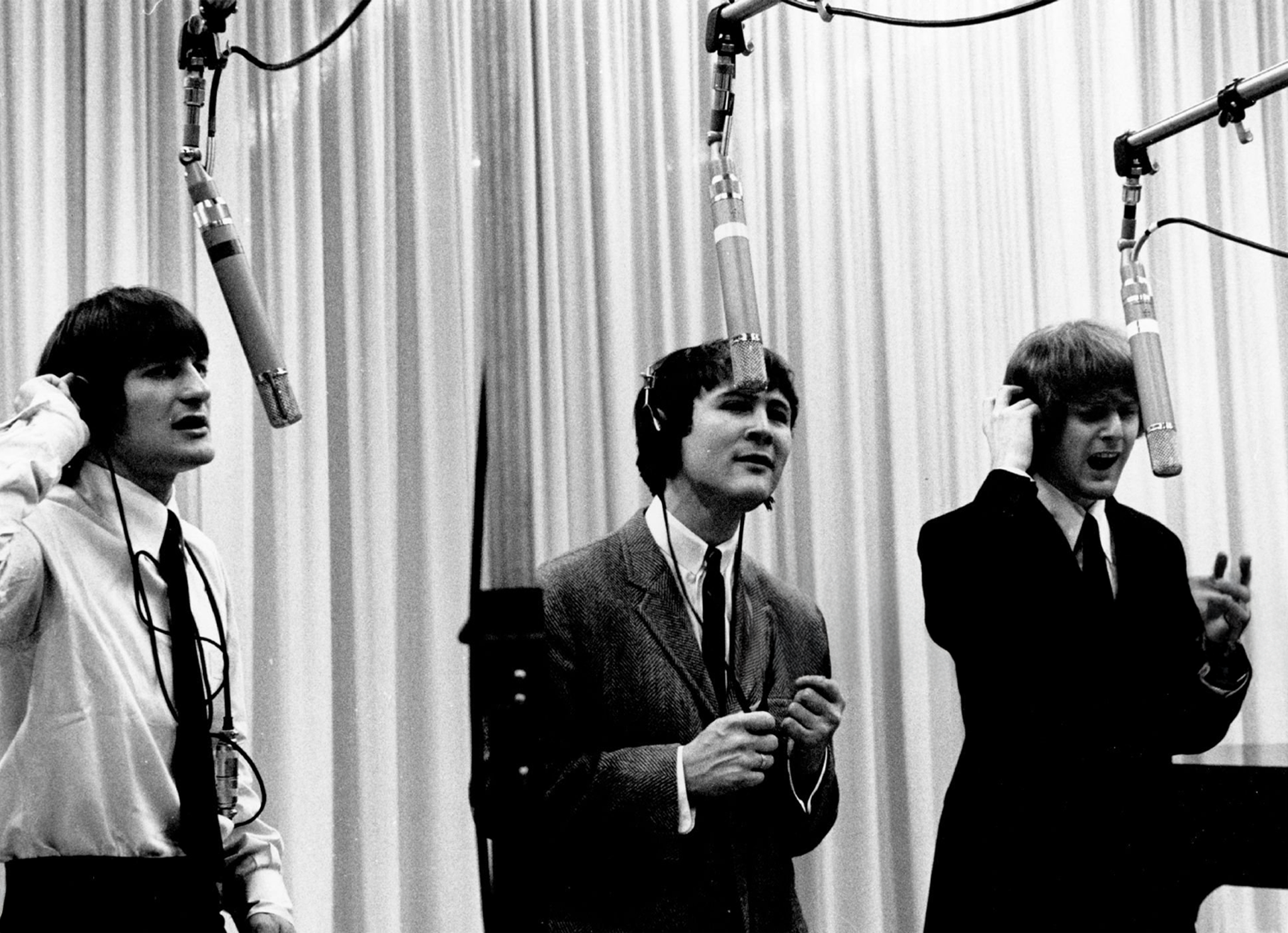
Left to right: Gene Clark, David Crosby, Roger McGuinn 1965
But things started shifting pretty quickly. By late 1965, they were already pushing beyond straight folk rock. Touring with bands like The Paul Butterfield Blues Band and The Dillards made them realize they needed to step up musically, and at the same time, their influences were expanding. While on the road, they were listening to John Coltrane and Ravi Shankar, which directly led to “Eight Miles High,” a track that helped pioneer psychedelic rock and what people started calling “raga rock.” Around the same time, George Harrison was bringing similar sounds into The Beatles, so you can hear this bigger shift happening across music.
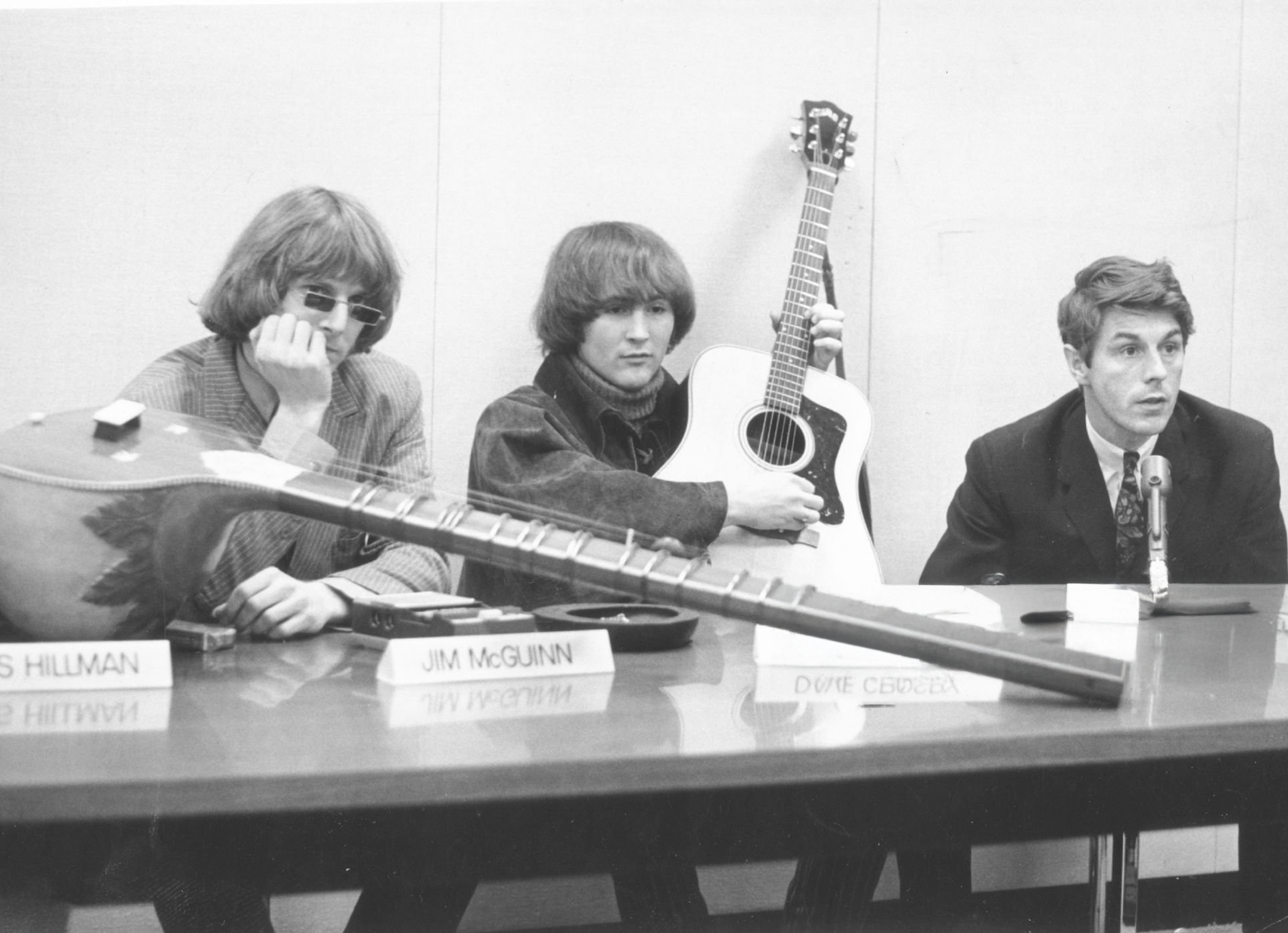
Byrds Press Conference 1965
That period also marked the beginning of the band's starting to come apart. Gene Clark, who had been one of their main songwriters early on, left the band after dealing with anxiety and a fear of flying, along with some internal tensions about money and songwriting credit. With Clark gone, McGuinn and David Crosby started taking on more of the writing, and the band leaned further into experimentation. Albums like Fifth Dimension and Younger Than Yesterday mixed psychedelia, jazz, and even early country influences, while Chris Hillman started emerging as a major songwriter, bringing in his bluegrass background.
Even when the music was evolving, the tension never really went away. By the time they played the Monterey Pop Festival, things were already shaky. Crosby’s onstage rants and personality clashes pushed things further, and not long after, he was out of the band. From there, the Byrds basically became a revolving door. Members left, came back, and left again, and at times the band was down to just McGuinn and Hillman trying to rebuild.
That’s when another big shift happened. With the addition of Gram Parsons, the band pivoted hard into country music with Sweetheart of the Rodeo. It was a bold move that didn’t really land with their existing audience at the time, but looking back, it ended up being hugely influential, basically helping create country rock and what we’d now call Americana. Again though, it didn’t last long — Parsons left, Hillman eventually left, and the lineup kept changing.
By the end of the 60s, The Byrds were almost unrecognizable from the band that started it all. They were experimenting with heavier rock sounds, country influences, and whatever direction felt right at the time. They even had a bit of a resurgence with songs tied to films like Easy Rider, which helped bring them back into the counterculture conversation for a moment. But through all of it, the one constant was McGuinn, steering the ship through constant change.
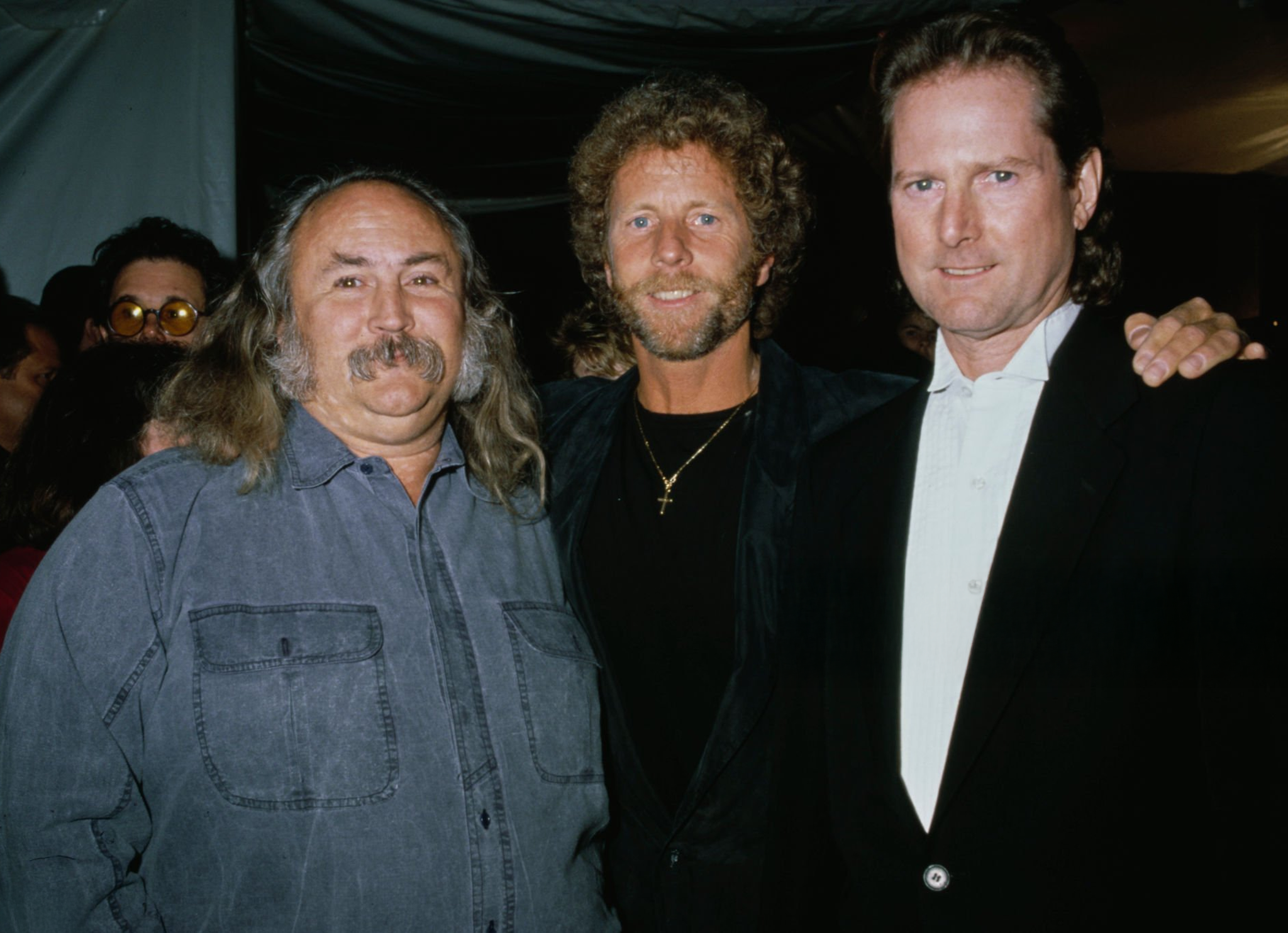
The Bryds" attend an event together, Los Angeles, California, United States, 1990. (Photo by Vinnie Zuffante)
That’s really what makes The Byrds so interesting. They weren’t just a folk rock band, or a psychedelic band, or a country rock band — they were all of those things at different times. The instability is part of the story. It’s why their catalog feels so varied, but also why it’s so rewarding to dig through. Even when things were falling apart behind the scenes, they kept pushing forward and creating something new.
