

4 Tracks is all you need? Beauty in imperfection
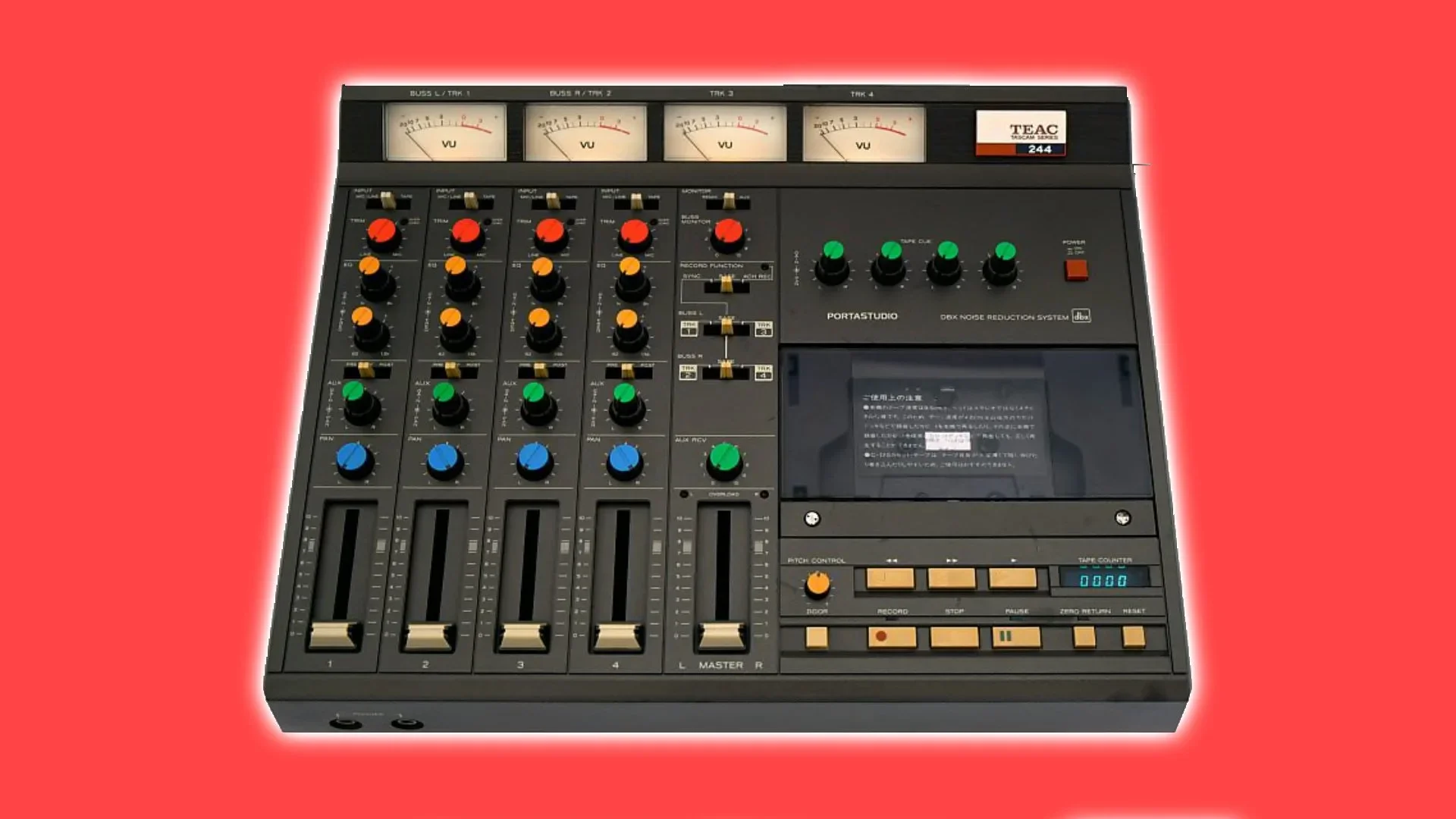
TEAC 244 1982
Ever wonder why music sounded the way it did back in the 60s? Yes, it was recorded on tape. Some people love the sound of tape, but what tape recordings really gave us were limitations. And limitations can be good when creating art.
With the addition of Ableton Live and other DAWs, we’ve expanded the possibilities of how a musician can record on their personal home computer. Today you can record unlimited tracks, redo parts endlessly, and fix mistakes after the fact. But recording didn’t always work this way.
Early recording studios worked entirely on analog tape. Engineers had limited tracks — sometimes two, later four, then eight, and everything required planning. Bands often recorded together in the same room because there simply wasn’t another option.
In the late 1960s and 70s, companies like TEAC and TASCAM introduced portable multitrack tape machines. These became the beginning of what we now call project studios or home recording setups. Artists could suddenly record outside expensive professional studios, but limitations still existed. Tape cost money. Editing was difficult. Punch-ins had to be precise, so you wanted commit to performances.
These early portable studios were essentially the ancestors of today’s bedroom producers, just with far fewer safety nets.
By the 1990s, recording began shifting from tape to digital systems. Digital Audio Workstations allowed musicians to record directly onto computers instead of physical tape. Then came pitch correction tools like Auto-Tune in 1997. Originally meant to subtly fix small vocal issues, it quickly changed how records were made. Performances no longer had to be perfect at any moment — they could be perfected afterward.
Music became cleaner. More precise. Sometimes, almost too perfect. What people forget is that in music, beauty is often found in imperfection. Especially in rock and roll.
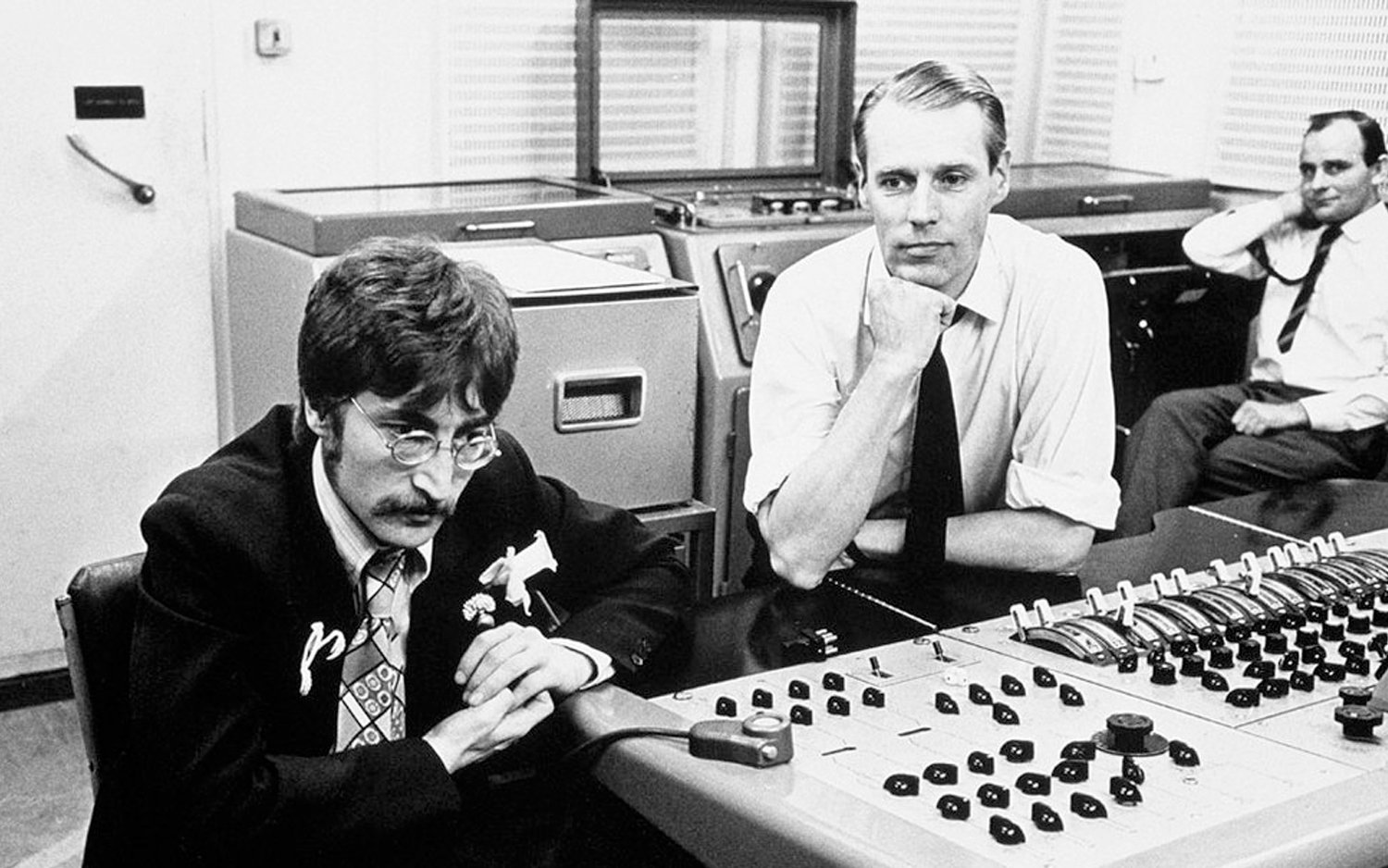
George Martin and John Lennon late 60’s
Take “Twist and Shout” by The Beatles. The band only had four tracks to record on and were playing together in a room. What this did was force the band to truly know the songs like the back of their hand. By this point, The Beatles had honed their craft playing long nights in Hamburg, Germany and on the Liverpool circuit.
So when it was time to record, they were ready. The lads recorded their first album Please Please Me, in a single day, and “Twist and Shout” was the final song recorded. At this point, John Lennon’s voice was already shot from hours of singing.
But the result is what many consider one of the greatest vocal performances of all time — wild, emotional, and completely free. It wasn’t perfect. That’s exactly why it works.
Another great example of limitation creating magic comes from Miles Davis. Miles was famous for not rehearsing his bands. Musicians would arrive at the studio, see the charts for the first time, take a quick look, and then just play. No overthinking. No polishing. Just feeling the music and improvising in real time.
Many of his most legendary recordings carry a real sense of live danger. The musicians didn’t fully know where the music was going, and that uncertainty created something alive. You can hear the risk, the tension, and the emotion happening in the moment.
Some newer artists have rediscovered the power of limited recording setups. Artists like Mac DeMarco, Ty Segall, Jack White, along with newer DIY acts like Sharp Pins and Playland, continue to embrace four-track tape recording and analog workflows.
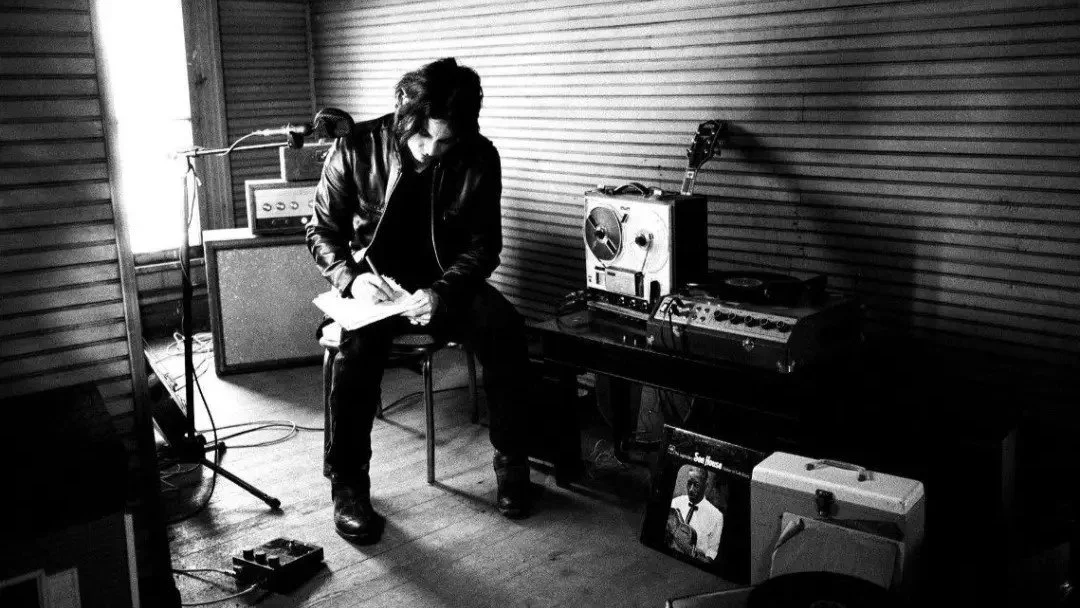
Jack White recording to tape
They choose limitation on purpose. Because when artists commit to performances instead of endlessly editing, music moves faster and feels more alive. There is beauty in imperfection.
Artists who learn to master their skills and commit to a recording can crank out great music, while others stare at computer screens waiting for the perfect take. Some people wait their whole lives for that perfect take — and their art never comes out.
Sometimes the magic happens when you stop fixing things and just hit record.
